



Welcome to Huang Lab.

AI-Base-Tec for Nanomedicine


Our research focuses on the rational design of nanomedicines to address critical challenges in oncology, cardiovascular disorders, and neurological diseases. Central to this effort is elucidating the mechanisms by which nanomedicines traverse complex biological barriers, with particular emphasis on modulating vascular permeability. To tackle these obstacles, we strategically integrate cutting-edge approaches into the design pipeline, such as artificial intelligence (AI), bioinformatics, synthetic biology, immunology, and neuroscience, enabling precision engineering of nanomedicines with enhanced therapeutic efficacy and translational potential. In the coming years, AI-driven nanotechnology will constitute a core strategic pillar of our laboratory's research agenda.

Tumor Therapy


Tumor Therapy

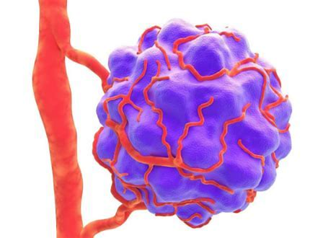
Our research in this domain focuses on developing advanced strategies to enhance the delivery efficiency of nanomedicines to solid tumors by overcoming critical biological barriers encountered during systemic circulation, especially for modulating vascular permeability. In parallel, we also seek to harness nanomedicines to augment the clinical efficacy of tumor immunotherapies. Our representative study was featured in Nature Nanotechnology (2023 Jun; 18(6):657–666).

Cardiovascular Diseases


Cardiovascular Diseases

Our research in this domain focuses on developing advanced nanomedicines to mitigate the progression of major cardiovascular pathologies, including myocardial infarction, ischemia-reperfusion injury, atherosclerosis, and their associated complications. Representative works have been published in the journals such as Science Advances (2020, 6(19):eaaz8011) and Nature Communications (2025 Jan 28; 16(1):1123), with further studies currently underway.

Brain Science


Brain Science

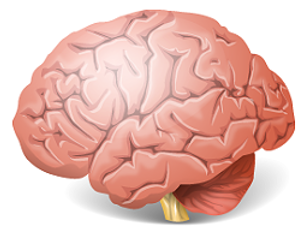
Our research in this area focuses on developing advanced delivery technologies for the treatment of major neurological disorders. A central emphasis is on elucidating the complex interactions between nanomaterials and the blood–brain barrier (BBB) under both physiological and pathological conditions, with the ultimate goal of enabling precise and efficient BBB penetration and targeted delivery to diseased sites. A representative study was recently published in Nature Nanotechnology (2026 July 21, doi: 10.1038/s41565-026-02225-x).